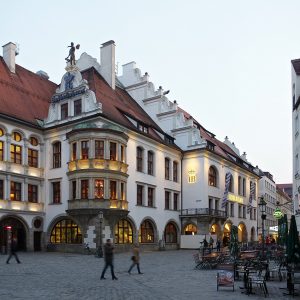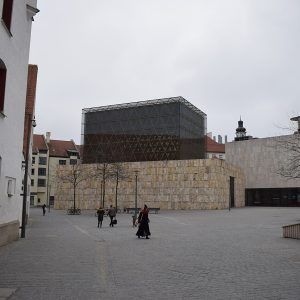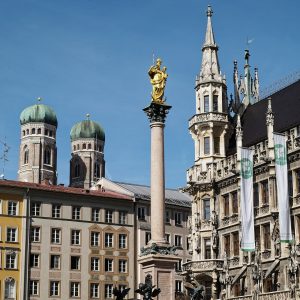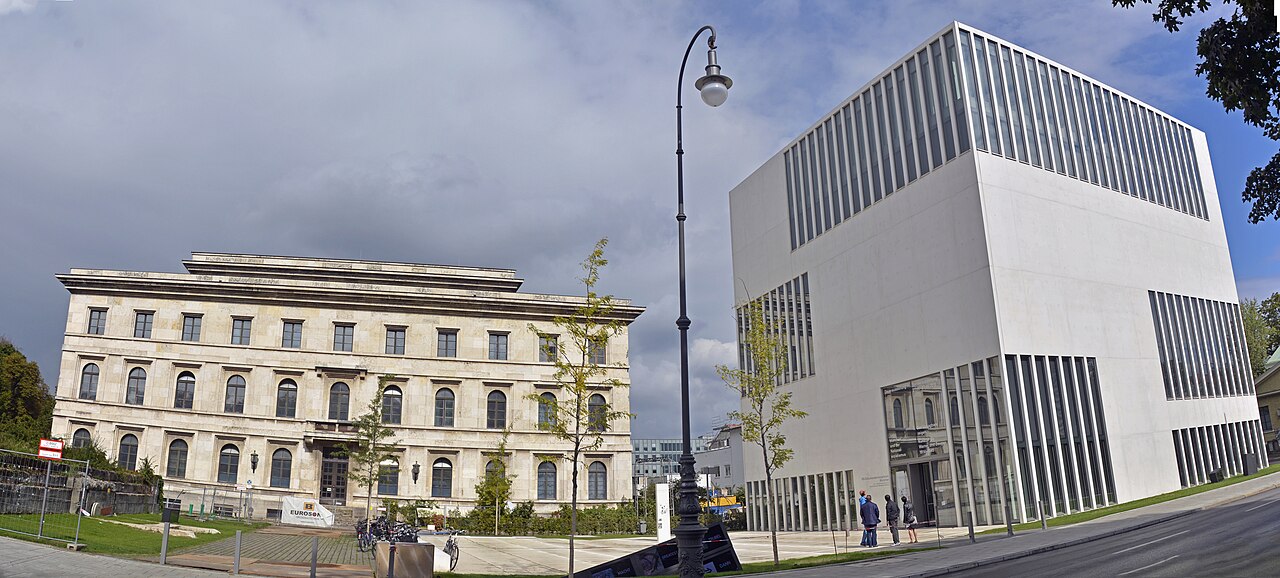
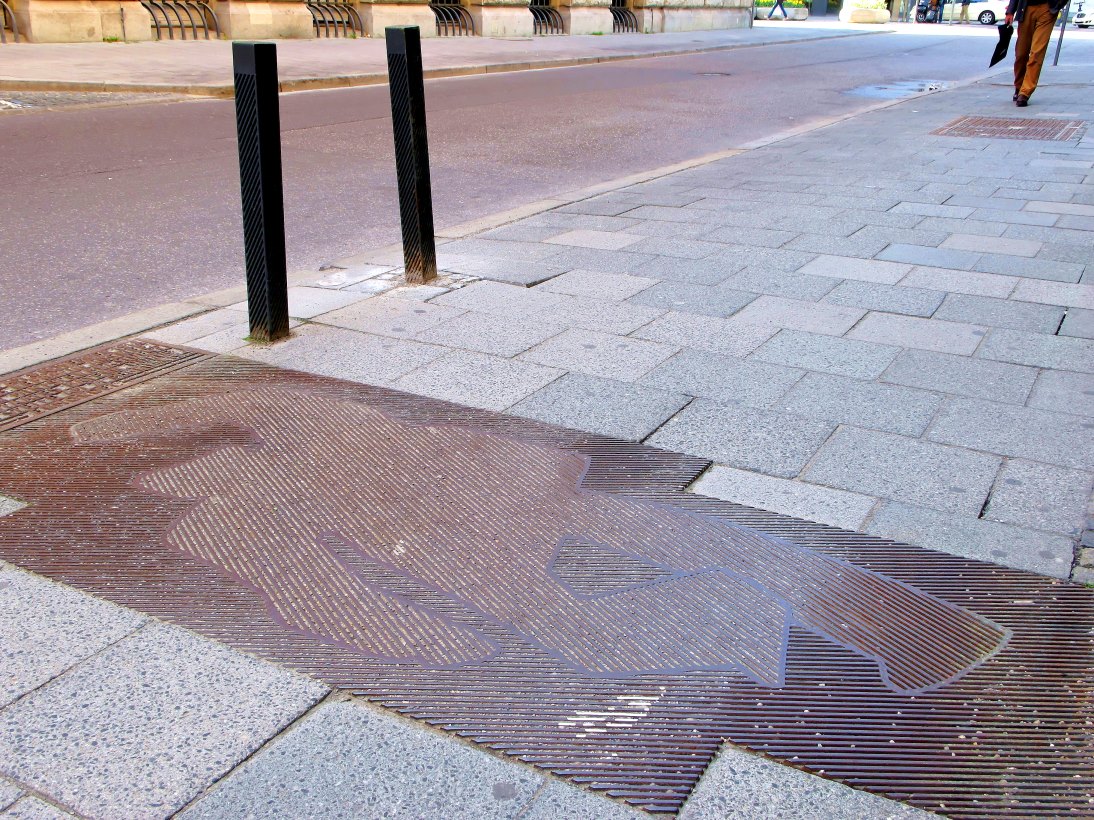
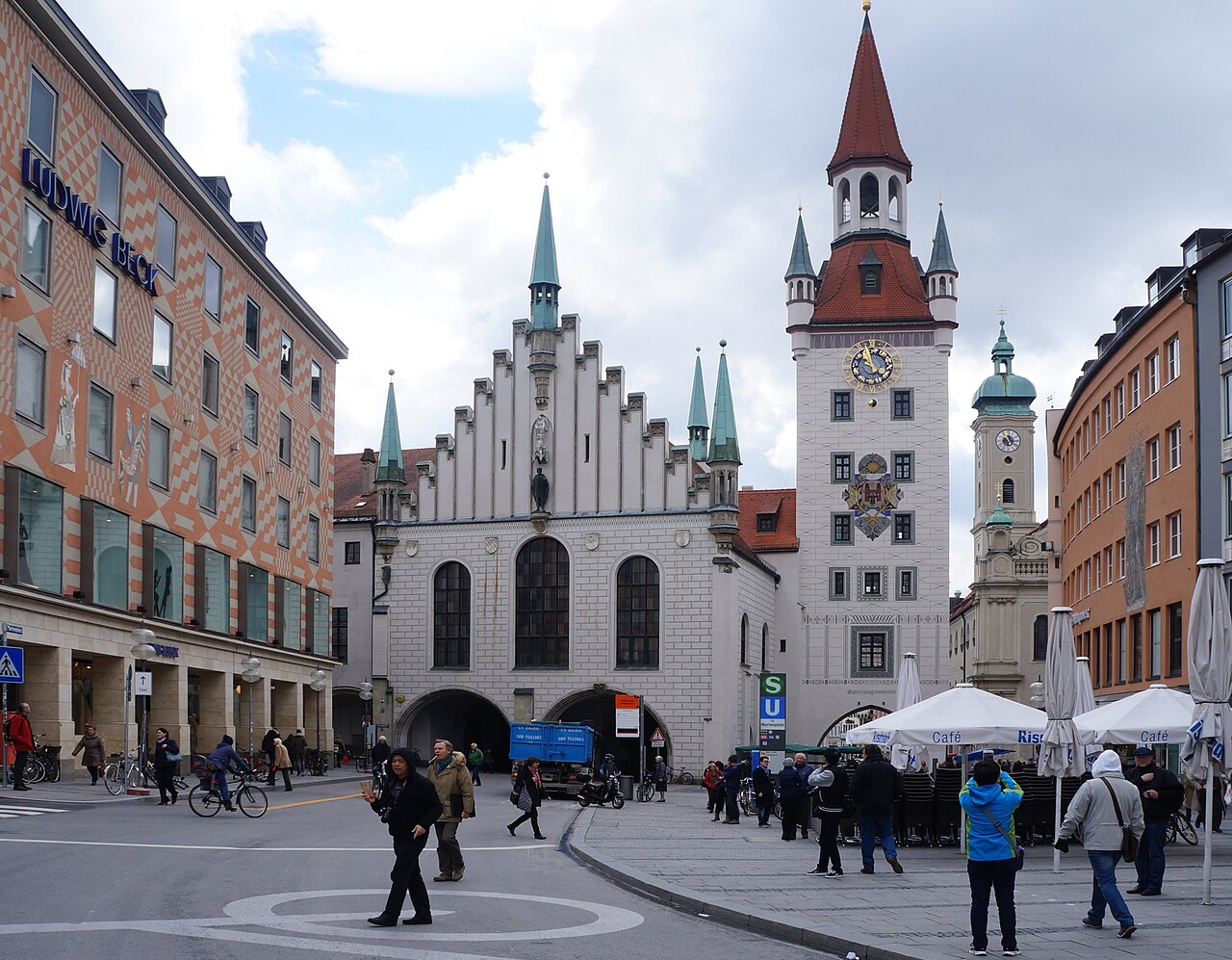
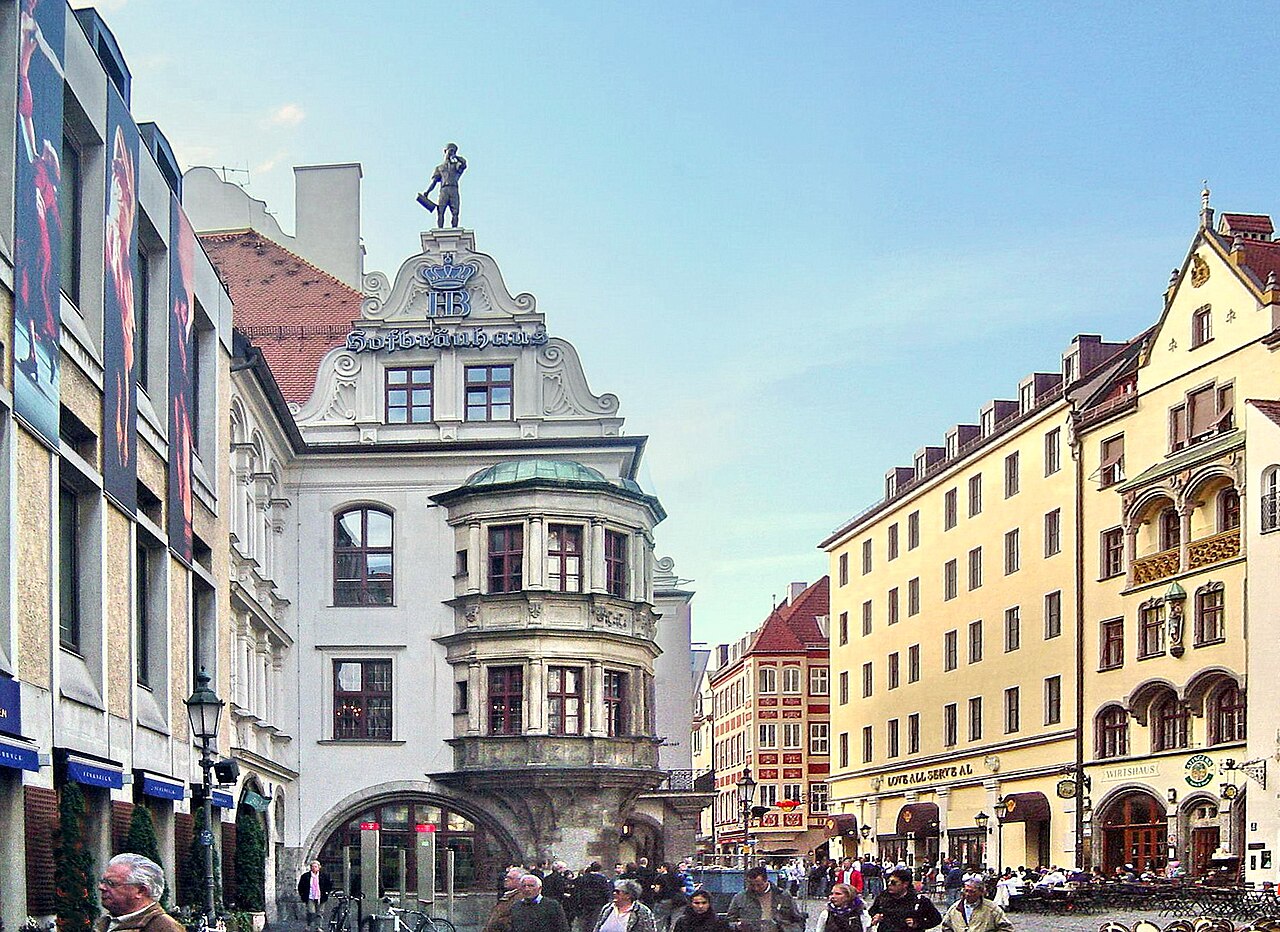
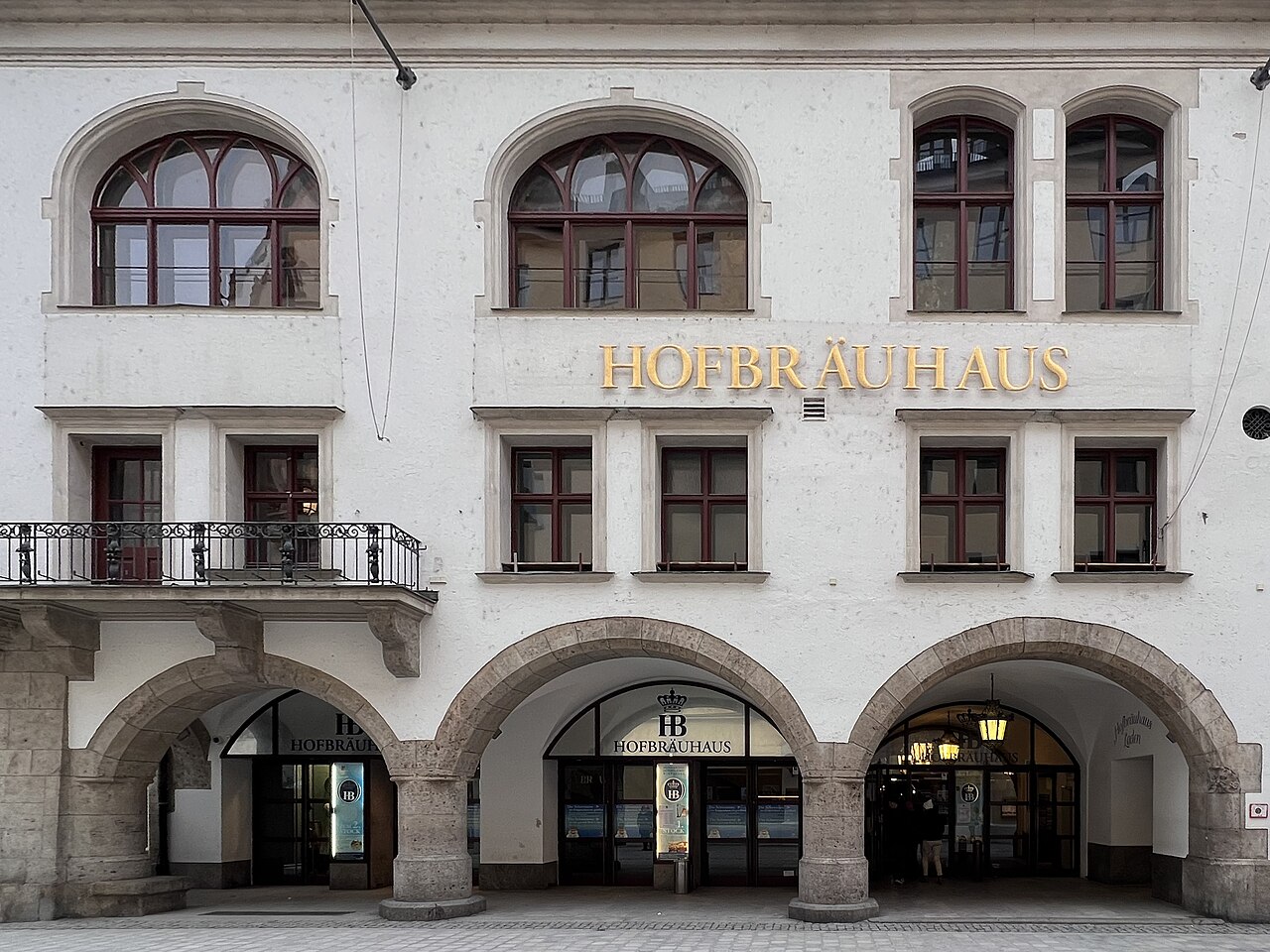
In November 1918 Munich had a revolution and a Jewish socialist premier. In 1935 its city hall, run by the Nazis since 1933, asked for, and got, the title ‘capital of the movement’. This walk follows the road between the two, on the places where it happened and through what stands there now: the steel outline in the sidewalk where Kurt Eisner was shot on his way to resign, the beer hall where the far left proclaimed a republic and the far right announced a program less than a year apart, the Feldherrnhalle where four police officers died stopping the putsch of 1923, the lane people used to dodge a compulsory salute, the square across from the Gestapo palace where Hans and Sophie Scholl were questioned, the party quarter where the Munich Agreement was signed after midnight, and the overgrown plinths of what the Nazis called temples of honor for their dead. Sober and sourced: the dead and the persecuted are named as people, disputed counts are labeled, local stories are told as local stories, and nothing is shown that the law forbids. No tickets needed.
The stops
- The Plate in the Sidewalk: Kurt Eisner
- The Platzl: One Hall, Two Proclamations
- The Feldherrnhalle: Twenty Dead and Sixteen Names
- The Viscardigasse: The Way Around
- Brienner Straße: The Palace of the Political Police
- The White Cube: Where the Brown House Stood
- Arcisstraße 12: The Agreement Signed After Midnight
- The Königsplatz: Stone, Grass and Two Plinths
Finding the start
Start on Kardinal-Faulhaber-Straße where it opens onto Promenadeplatz, in front of the Palais Montgelas (part of the Hotel Bayerischer Hof), by the steel floor plate in the sidewalk. Marienplatz station (U3, U6 and all S-Bahn lines) is a few minutes’ walk away.
Terrain and access
About 3 kilometers on flat city sidewalks and pedestrian streets, with no steps on the route. Cobbles on the Platzl and in the Viscardigasse. No admissions needed: everything is seen from outside, including the NS-Dokumentationszentrum, which you can visit afterwards. Busy crossings with lights on Brienner Straße. The Feldherrnhalle is under scaffolding until about 2028. The tour ends at the Königsplatz, a few minutes from Königsplatz station (U2; the step-free entrance is about 450 meters away).
Tickets
No admissions needed: everything is seen from outside, including the NS-Dokumentationszentrum, which you can visit afterwards.
Keep going
- Beer and the City: Five Hundred Years of Munich in a Glass
- Salzburg 1938 to 1945: The Road from Sarajevo and the Years Under Hitler
- How It Happened: Munich from 1913 to Today
What you get
- An email from [email protected] with a link and an access code.
- Use it on your phone or tablet in an up-to-date web browser, no app store needed. There is no account to set up before you start.
- Download it on Wi-Fi before you go. After that it works offline: audio, text, map and pictures.
- Your booking includes 2 phones, so two of you can follow along, each on your own. Extra phones are $2.95 each, or a group can share one phone on its speaker.
- Play, pause and replay every part, skip back and ahead, or change the playback speed. Keep the screen on or tap play at each stop.
How it was made
Every fact in the narration is checked against a cited source, and legends are told as legends. The narration is written from that research. How our tours are made.
Image credits
- Photo: Guido Radig, CC BY 3.0, via Wikimedia Commons (license)
- Photo: Bbb, CC BY-SA 3.0, via Wikimedia Commons (license)
- Photo: © Pierre André, CC BY-SA 4.0, via Wikimedia Commons (license)
- Photo: Bayreuth2009, CC BY 3.0, via Wikimedia Commons (license)
- Photo: Burkhard Mücke, CC BY-SA 4.0, via Wikimedia Commons (license)