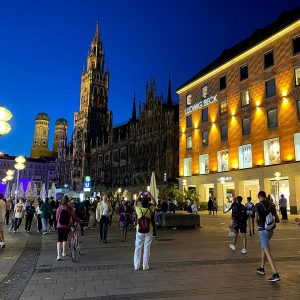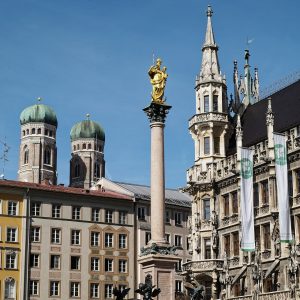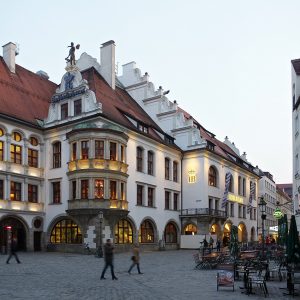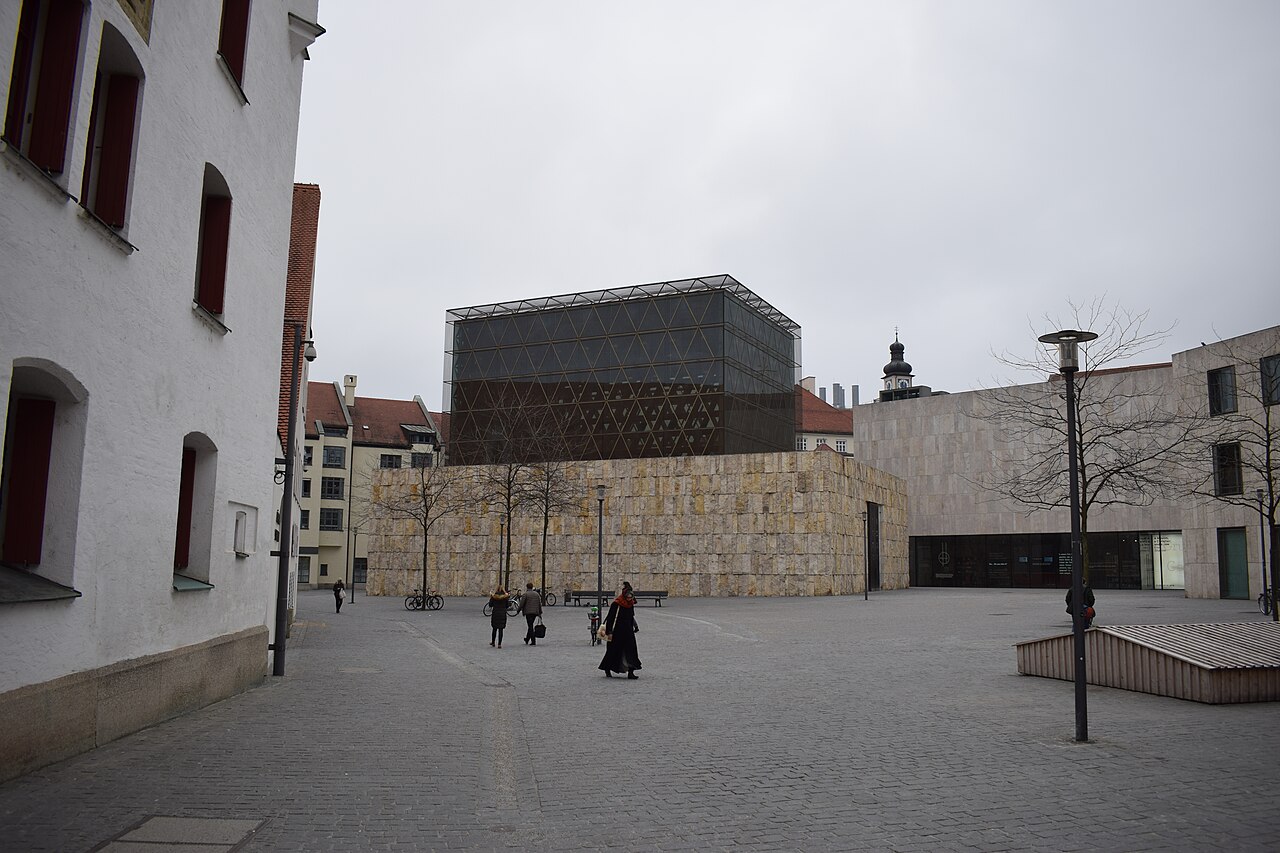
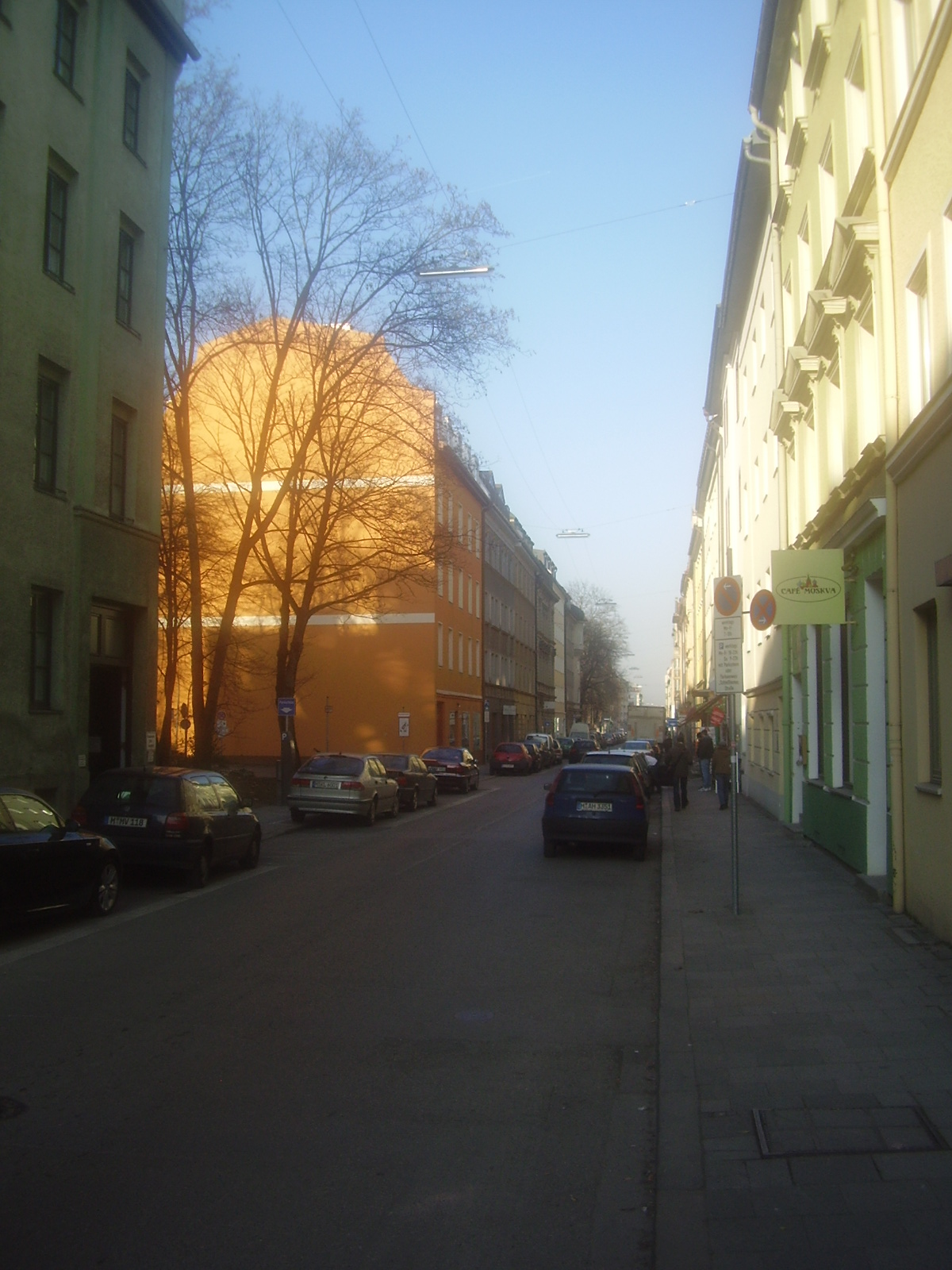
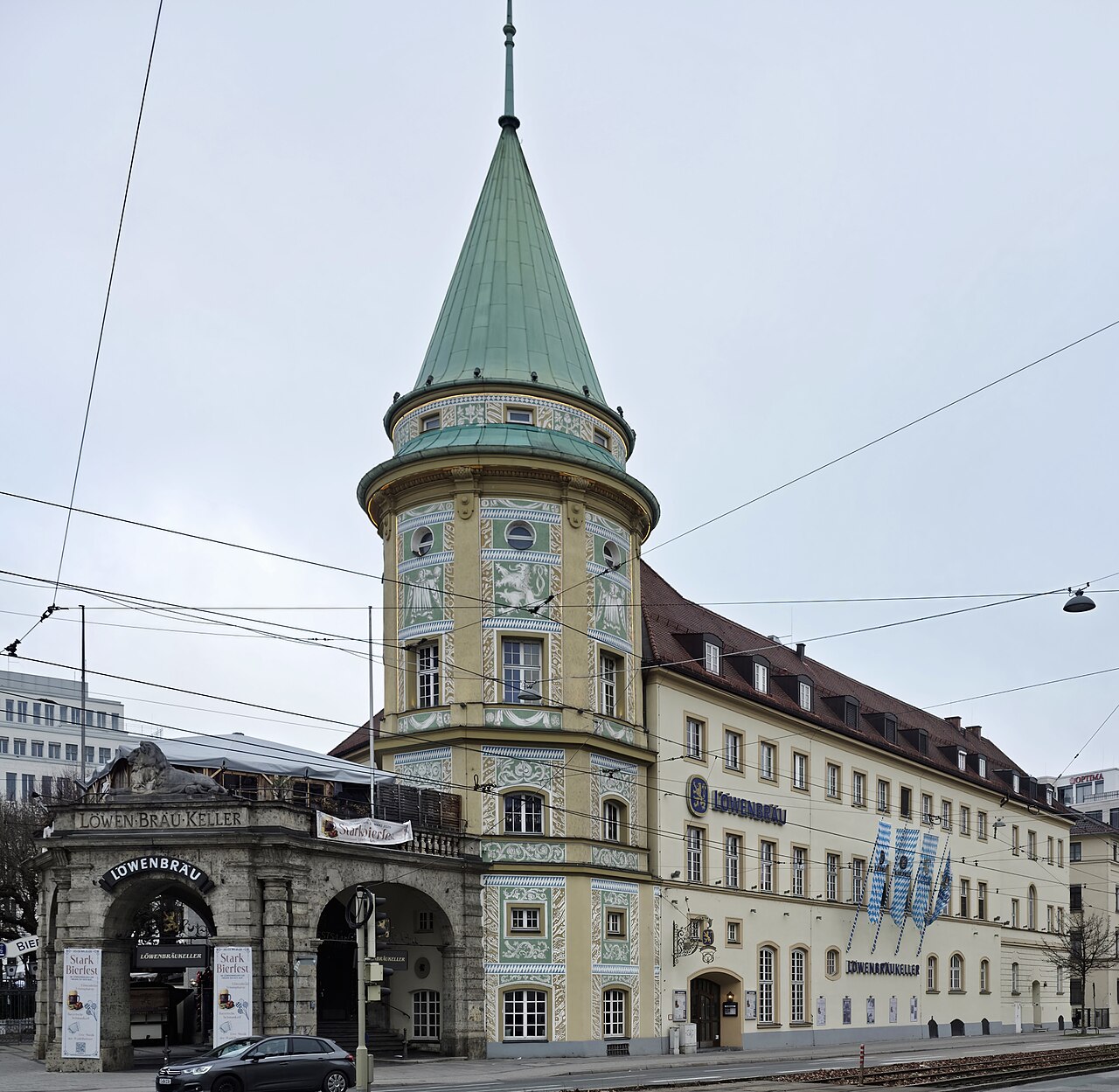
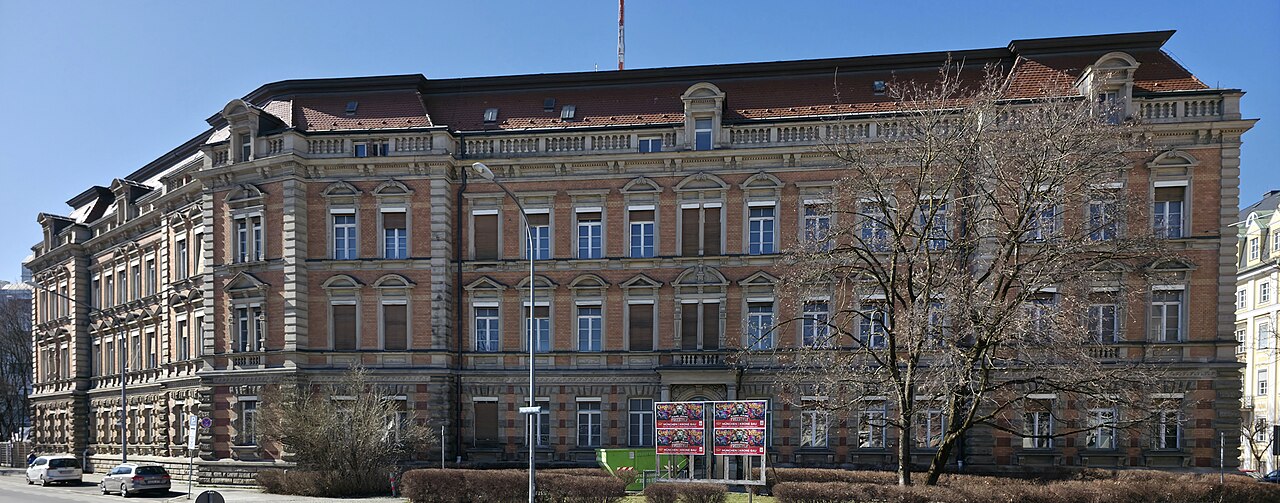
In May 1913 a young Austrian, dodging his own country’s army, rented a room on a quiet Munich street. Twenty years later his party held Bavaria, its police and a camp at Dachau. This long walk follows the whole road and what came after it, on fifteen public sidewalks and squares: the beer hall where Ernst Röhm’s men gathered on the night of the putsch, the war school where a friendly judge gave Hitler a stage in 1924 (and why the trial was never on the radio), the square where the regime laid its dead in temples, the palace of the political police and the Sinti and Roma families the Munich police deported in 1943, the disputed photograph of the Odeonsplatz in 1914, the site of the main synagogue torn down five months before the pogrom, the police headquarters, the bombed cathedral and the soldiers who rose against the regime in April 1945, the city hall where denazification was signed, and the new synagogue on St.-Jakobs-Platz. Told in three parts with a natural break halfway. Sober and sourced: the dead and the persecuted are named as people, disputed counts are labeled, nothing is shown that the law forbids. No tickets needed.
The stops
- Part 1. Schleißheimer Straße: The Lodger
- Stiglmaierplatz: The Beer-Hall City
- Pappenheimstraße: The Courtroom
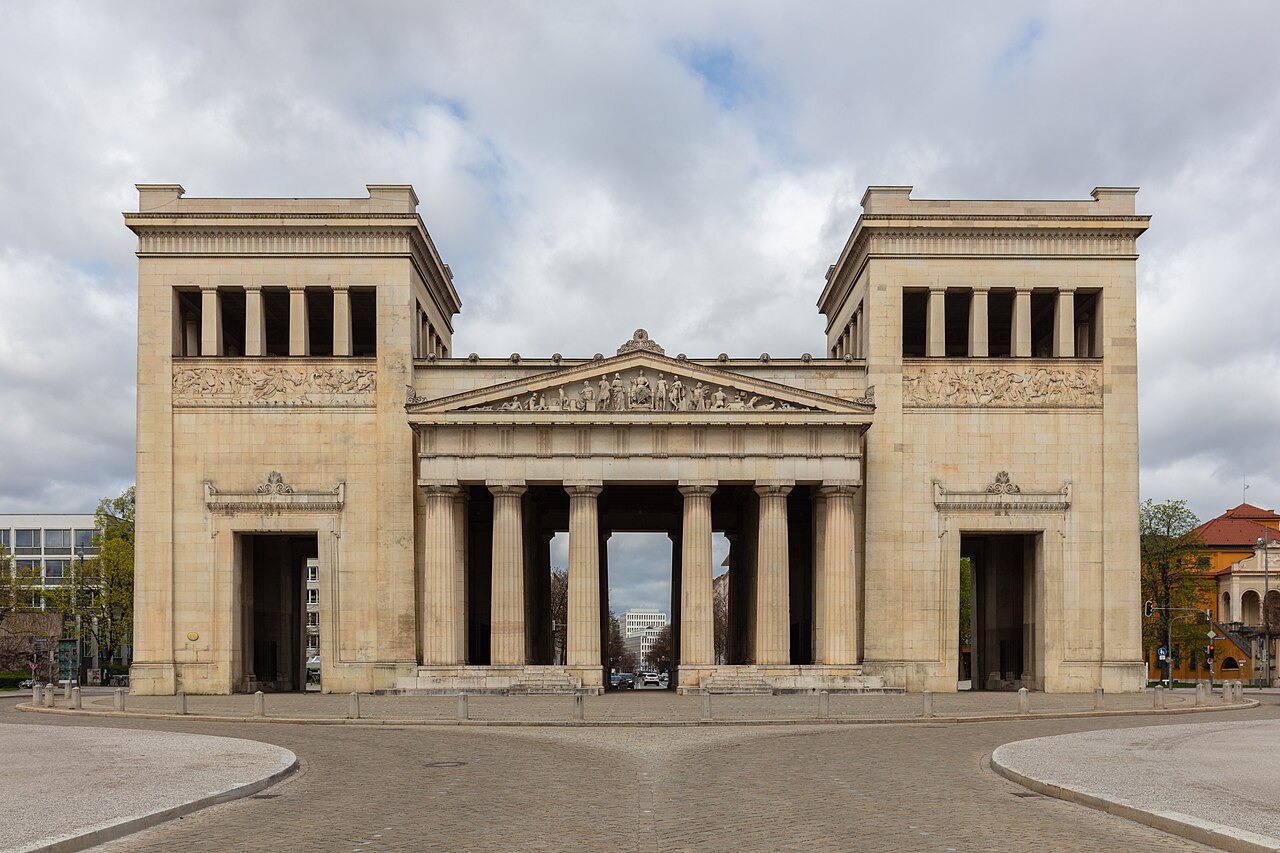
- The Propyläen: The Long Road Back
- Brienner Straße: The Takeover, March 1933
- Part 2. The Königsplatz: The Square of the Dead
- Arcisstraße: Munich, 29 September 1938
- Brienner Straße: The Square of the Victims
- The Odeonsplatz: The Photograph and the Shots
- The Viscardigasse: The Way Around
- Herzog-Max-Straße: June and November 1938
- Ettstraße: The Police Headquarters
- Frauenplatz: Bombs, a Rising and Liberation
- Part 3. Marienplatz: Judgment and Rebuilding
- St.-Jakobs-Platz: Return and Remembrance
Finding the start
Start on the west sidewalk of Schleißheimer Straße in the Maxvorstadt, across the street from No. 34, a few minutes north of Stiglmaierplatz (U1 Stiglmaierplatz about 400 m; U2 Theresienstraße about 500 m). No. 34 is a private apartment house: stay on the far sidewalk.
Terrain and access
About 6.3 kilometers on flat city sidewalks and pedestrian streets, with no steps on the route; about three hours with listening. A natural break point after stop 8 near the Odeonsplatz (cafés; Odeonsplatz station, U3, U4, U5, U6). Cobbles in the Viscardigasse and in parts of the old town. No admissions needed: everything is seen from outside, including the NS-Dokumentationszentrum, the police headquarters and the synagogue. Busy crossings with lights at Stiglmaierplatz, the Königsplatz and the ring road. The Feldherrnhalle is under scaffolding until about 2028. The tour ends on St.-Jakobs-Platz, about 450 meters from Marienplatz station (U3, U6, all S-Bahn lines).
Tickets
No admissions needed: everything is seen from outside, including the NS-Dokumentationszentrum, the police headquarters and the synagogue.
Keep going
What you get
- An email from [email protected] with a link and an access code.
- Use it on your phone or tablet in an up-to-date web browser, no app store needed. There is no account to set up before you start.
- Download it on Wi-Fi before you go. After that it works offline: audio, text, map and pictures.
- Your booking includes 2 phones, so two of you can follow along, each on your own. Extra phones are $2.95 each, or a group can share one phone on its speaker.
- Play, pause and replay every part, skip back and ahead, or change the playback speed. Keep the screen on or tap play at each stop.
How it was made
Every fact in the narration is checked against a cited source, and legends are told as legends. The narration is written from that research. How our tours are made.
Image credits
- Photo: Flocci Nivis, CC BY-SA 4.0, via Wikimedia Commons (license)
- Photo: Gamsbart, CC BY 3.0 de, via Wikimedia Commons (license)
- Photo: Ricardalovesmonuments, CC BY 4.0, via Wikimedia Commons (license)
- Photo: Ricardalovesmonuments, CC BY 4.0, via Wikimedia Commons (license)
- Photo: Diego Delso, CC BY-SA 4.0, via Wikimedia Commons (license)